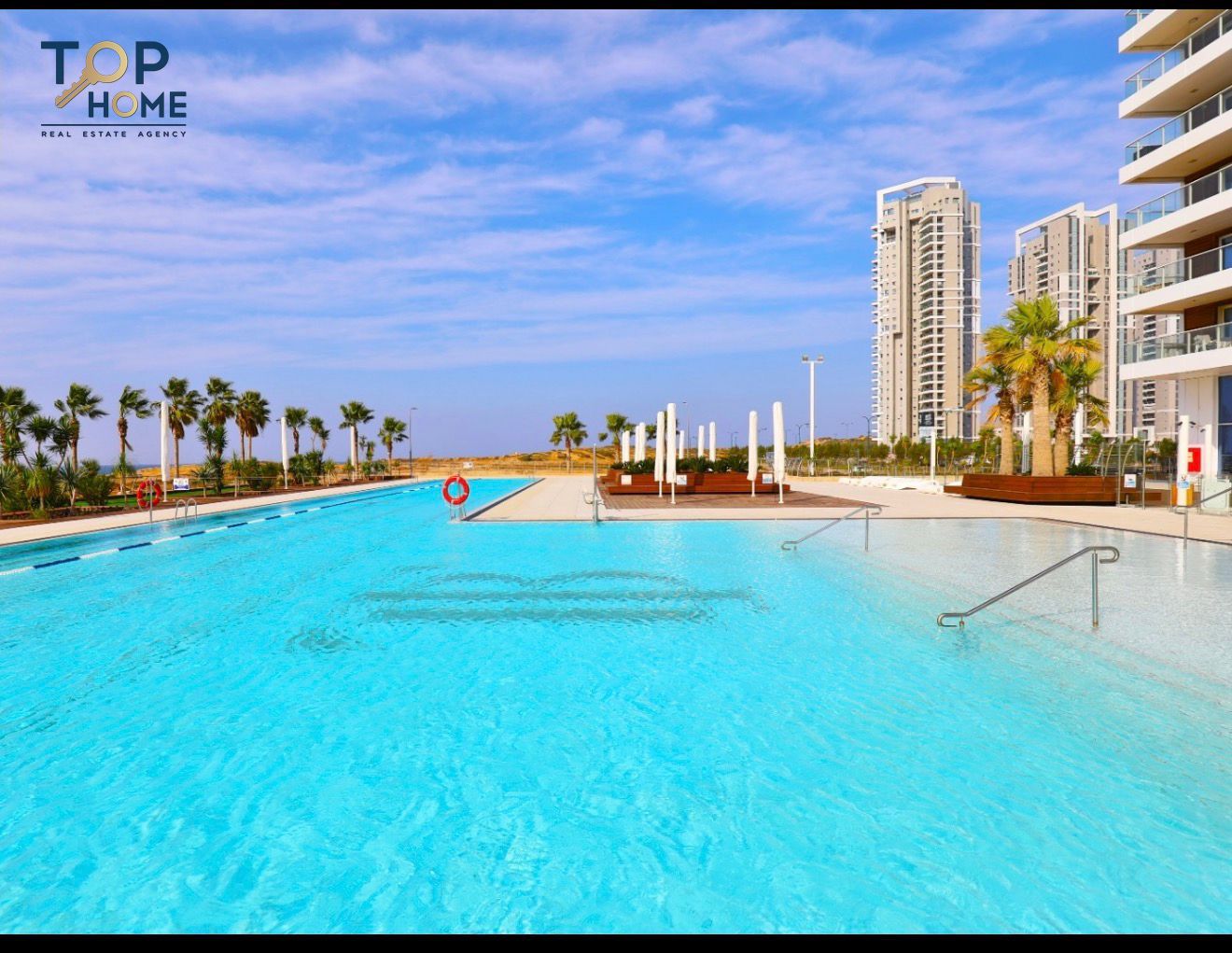
The urban development of Netanya’s coastline in recent years has reached a new planning and economic peak. Government and municipal support for expanding tourism infrastructure, alongside the infusion of massive private capital, has led to the establishment of international hotel complexes on the first and second lines to the water. This trend does not merely impact inbound tourism to the city; it fundamentally reshapes the valuation map of the neighboring residential market. The presence of premium hotels operated by global hospitality brands generates a powerful ripple effect that elevates the prestige of surrounding assets, positioning them at the peak of market demand.
For investors and business professionals evaluating luxury properties in Netanya, understanding the structural link between hotel developments and residential property appreciation is a first-tier strategic asset. The presence of high-end hotels brings massive upgrades to public spaces, advanced leisure infrastructure, and an increased affinity of an international audience for the area. In this analytical guide, the real estate experts at Anat Top Home present a comprehensive analysis of the economic and planning mechanisms driving land value appreciation, explaining how to leverage this trend to optimize your investment portfolio when searching for oceanfront properties for sale in Netanya.
The Economic Mechanism: How Hotel Complexes Elevate the Residential Environment
The impact of a hospitality asset on neighboring residential real estate has been extensively studied in elite global markets such as Miami, Nice, and Tel Aviv. Data consistently shows that the establishment of a five-star hotel creates a value chain that projects directly onto the immediate geographical radius:
-
Environmental Upgrades and Premium Infrastructure: Building permits for hotel complexes come with strict development obligations imposed on developers and the local municipality. These include physical and visual access to the beach, paved wide-span promenades, architectural landscaping, and advanced urban lighting. Residents of adjacent buildings enjoy these upgrades without sharing in the initial development costs.
-
International-Standard Dining, Retail, and Leisure: Leading hotel complexes attract chef-driven restaurants, upscale cafes, fitness clubs, spa facilities, and boutique retail spaces. These amenities, which are generally open to the public, become part of the daily lifestyle for residents of neighboring properties, granting them the feel of an ongoing resort vacation.
-
Global Exposure and Accelerated Demand: Luxury hotels serve as a showcase for the city, attracting affluent tourists, executives, and foreign residents. The initial encounter of these guests with the quality of life along Netanya’s coastline often sparks a desire to put down roots, translating over the medium and long term into active demand for purchasing oceanfront properties for sale in Netanya.
Managed Vacation Units vs. Private Elite Residences: A Strategic Distinction
One of the prominent trends in the market today is the integration of hospitality spaces and residential units within the same structure or in adjoining complexes (Branded Residences). This model allows property owners to enjoy full hotel services—such as room service, housekeeping, concierge security, and access to pool and spa facilities—while maintaining full proprietary ownership in the Land Registry (Tabu).
However, for experienced investors, there is high analytical importance in distinguishing between units legally defined as “vacation properties” (which require mandatory pooling into hotel rental programs) and luxury properties in Netanya designated purely for private residence adjacent to hotels. Private residential assets bordering hotel complexes enjoy all the benefits of surrounding infrastructure and environmental development without the high turnover of transient guests inside their own building. This separation ensures total privacy, community quiet, and higher ongoing maintenance standards for common property over time—critical elements for preserving asset liquidity and open-market value.
Yield and Appreciation Trends in Coastal Districts
| Parameter |
Standard Residential Area (No Hotel Element) |
Residential Area Bordering New Hotel Complexes |
Strategic Investment Impact |
| Land Appreciation Rate |
Matches general municipal average |
15% to 25% higher than municipal average |
Accelerated equity growth in the short and medium term |
| Public Infrastructure Quality |
Standard municipal development |
Premium development: modern promenades, luxury landscaping, dining |
Upgrades daily living experience and preserves a modern look |
| Rental Market Demand |
Primarily driven by local domestic tenants |
High demand from corporate executives, foreign residents, and diplomats |
Highly stable rental yields; price premium on location |
| Resale Liquidity (Exit) |
Average market shelf life |
Short market shelf life; high interest from luxury investors |
Ability to exit rapidly at peak market prices when needed |
Guide: Due Diligence Protocol for Properties Near Hotel Complexes
To maximize financial return and avoid zoning risks, we recommend executing a structured inspection protocol when evaluating assets in these areas:
-
Review the Local Master Plan (TABA) and Height Restrictions: Verify that the planned or existing hotel does not obstruct the view corridors of the target property. A line-of-sight analysis is a mandatory step.
-
Inspect Traffic Flow and Parking Accessibility: Examine local traffic arrangements. Ensure that traffic congestion or hotel delivery and service docks do not interfere with access to your residential building’s private parking garage.
-
Audit Construction Specs and Acoustic Insulation: Properties adjacent to entertainment and hotel zones must include high-grade acoustic aluminum and glass installations (Triplex), ensuring absolute quiet inside the home.
-
Evaluate Management Quality of the Residential Building: Confirm that your residential building is managed by a professional property management firm that maintains an upkeep standard competitive with the neighboring hotel.
-
Partner with a Specialized Agency: Sourcing forward-looking data on the Netanya Municipality’s development trends requires deep knowledge and access to planning records, as provided by Anat Top Home.
The Added Value of Anat Top Home for Luxury Investors
Anat Top Home real estate in Netanya acts as an advisory and guiding partner for business leaders, investors, and move-uppers looking to make informed moves along the coastline. Our distinct geographical specialization in the Netanya market, combined with continuous tracking of municipal master plans and hotel developments, allows us to identify properties with the highest appreciation potential before they hit the broader market.
We offer our clients cold analytical data, cutting through marketing noise to present real, verified facts. Whether you are searching for luxury properties in Netanya for family living or oceanfront properties for sale in Netanya for investment yields, our team ensures close, transparent, and professional guidance—managing negotiations on your behalf to secure the safest and most profitable deal.
Professional FAQ
1. How does hotel development affect property tax (Arnona) and municipal levies on adjacent residential units?
Residential property tax classifications are set by the municipal Arnona schedule based on square footage and geographic zone; they do not automatically increase due to a new neighboring hotel. While broad area upgrades may eventually lead to municipal zone reclassifications, the added value of upgraded infrastructure, cleanliness, and security far outweighs any minor adjustments in municipal fees.
2. Is purchasing a residential property near a hotel considered more liquid than one in the city center?
Unequivocally, yes. Assets located near hotel complexes and the shoreline enjoy both international and domestic demand. The buyer pool is not limited to local move-uppers but includes foreign residents, institutional investors, and high-net-worth individuals. This broad buyer base ensures high liquidity, enabling a swift resale at optimal market value when necessary.
3. What is the ideal distance between a residential building and a hotel complex to maximize benefits without disturbances?
The optimal radius is considered to be 50 to 200 meters. This distance allows immediate walking access to all hotel amenities, restaurants, and promenades while maintaining full structural separation, preventing direct noise disturbances from events or pool decks, and safeguarding residents’ privacy.
4. Are there legal restrictions on short-term rentals (such as Airbnb) for residential properties near hotels?
Yes. Netanya municipal policies and building bylaws in most modern luxury towers restrict or completely prohibit short-term rentals to preserve building security, quiet, and character. If your investment goal is short-term vacation rentals, you must look for assets with dedicated hospitality designations rather than standard residential properties.
5. How does the presence of a luxury hotel impact the maintenance of neighboring buildings?
A luxury hotel raises the bar for the entire surrounding area. Management companies in neighboring residential towers are compelled to maintain higher standards of upkeep, cleanliness, and curb appeal to match the local environment. This helps preserve building value, prevents neglect, and ensures common property remains top-tier over time.