The decision to make Aliyah and relocate a family across international borders represents one of the most profound and formative steps in life. Beyond formal requirements—such as title transfers, securing employment, and moving international capital—a parent’s core practical and emotional focus always revolves around the well-being of their children. The true success of any relocation is measured first and foremost by the speed and ease with which the younger generation takes root, acquires the Hebrew language, and integrates naturally into local educational frameworks and social circles.
For decades, Netanya has established its standing as Israel’s premier Aliyah hub, particularly among established immigrant communities from France, the UK, the United States, and across the globe. The city’s appeal extends beyond scenic beaches or transit connectivity to central Israel; it is grounded in an advanced municipal, communal, and pedagogical support system. Many immigrant families searching for properties for sale in Netanya, alongside young households evaluating new development projects offering 4-room properties for sale in Netanya within expanding districts, find that the neighborhood environment and the local educational infrastructure work in tandem to create a soft, empowering landing.
The Municipal Pedagogical Framework for Integrating Immigrant Students
The Netanya Municipality, through its Education Administration and Absorption Department, operates an integrative model that engages before a student ever sets foot in the classroom. This framework recognizes that supporting an immigrant student requires a multi-dimensional foundation encompassing academic reinforcement, emotional guidance, and cultural integration:
-
Academic Language Acquisition: Schools across the city run dedicated Hebrew Ulpan classes parallel to standard curricula. Students receive individualized reinforcement in small groups led by certified specialists in Hebrew as a second language. Instruction prioritizes conversational fluency alongside academic literacy, ensuring students keep pace in text-heavy subjects like history, literature, and science without falling behind.
-
Systemic Cultural Mediation: Schools in Netanya employ multilingual educational mediators and absorption counselors (fluent in French, English, and other languages). These mediators serve as an open communication bridge between the school and parents—explaining Israeli administrative procedures, translating documents and lesson plans, and maintaining continuous dialogue to prevent misunderstandings or alienation. Personal mentorship programs pairing veteran Israeli students with newly arrived peers break down language barriers and foster self-confidence.
The Role of Neighborhood and Community Fabrics
Formal educational systems do not operate in a vacuum; they draw directly from the neighborhood ecosystem where the child lives. A primary asset of Netanya is its warm, cohesive, and high-caliber immigrant communities, which form a social safety net that streamlines integration.
In established, upscale coastal districts such as the Nitza Promenade axis, an extensive international community bridges veteran residents and newcomers. Central synagogues, cultural centers, and public boardwalks serve as communal gathering points where families find common ground, share relocation experiences, and help one another navigate Israeli bureaucracy. For children, meeting schoolmates in the afternoons at local public parks or neighborhood sports clubs accelerates socialization and instills a genuine sense of belonging.
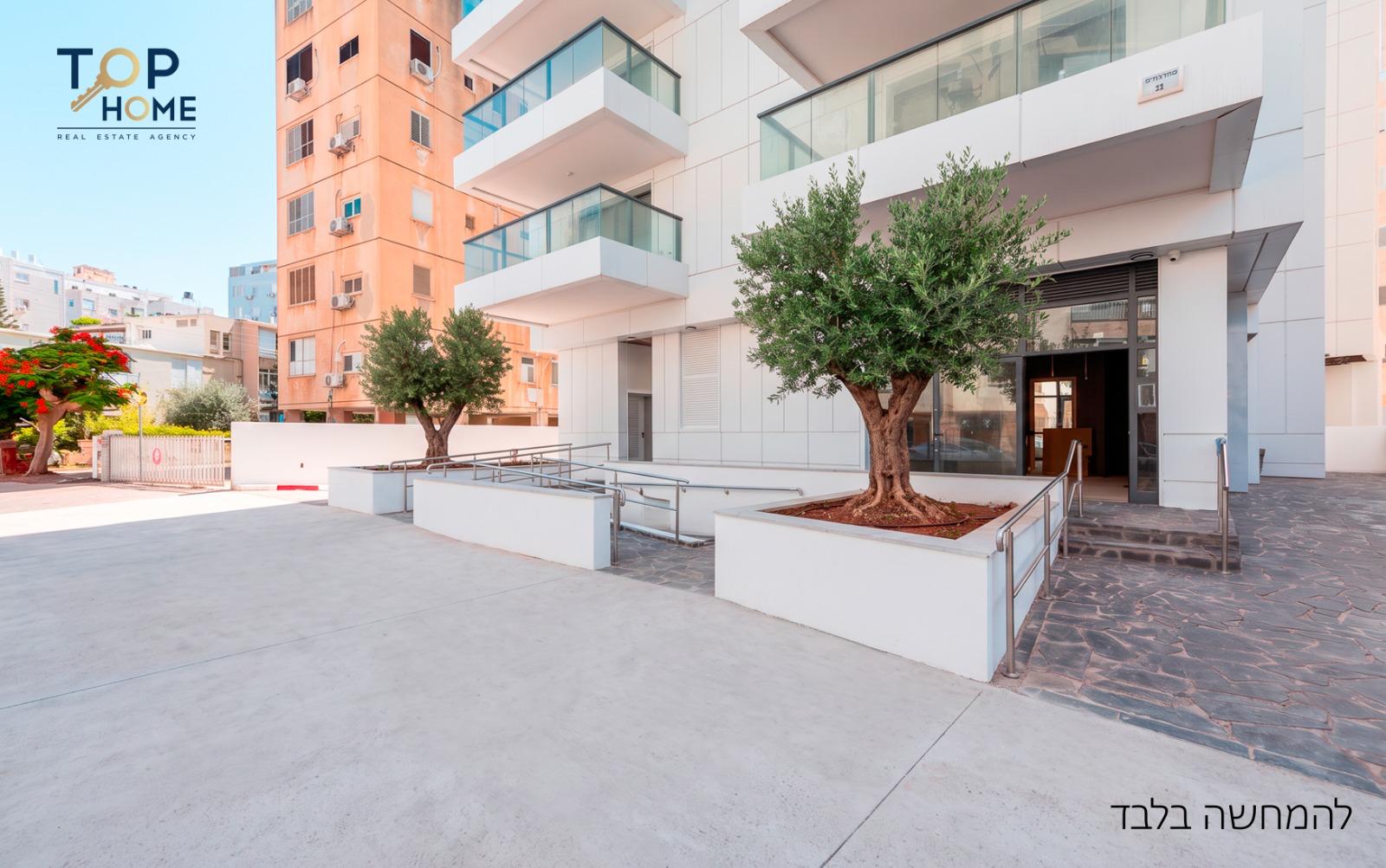
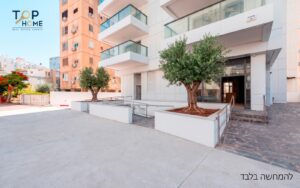
In contrast, expanding modern sectors—where new developments offer 4- to 5-room properties—appeal strongly to young immigrant families with preschool and elementary-aged children. These neighborhoods feature contemporary construction, expansive parks with no vehicle crossings, dedicated bike paths, and modern educational complexes built directly into the heart of the community. A distinct advantage in these districts is demographic harmony: most residents are young couples with children of similar ages, organically fostering a supportive parent network that organizes shared activities well beyond school hours.
Comparative Analysis: Residential Environments for Immigrant Families
| Residential Environment |
Social & Community Fabric |
Educational & Civic Infrastructure |
Ideal Family Profile |
| Nitza Promenade & North Coast |
Established international community, central synagogues, vibrant promenade lifestyle |
Veteran, highly reputable schools; close to municipal cultural hubs & language Ulpans |
Families with older children or teens, or those seeking immediate ties to French- and English-speaking communities |
| New Districts (Shirat HaYam, Gali Yam, Park HaYam, Ir Yamim) |
Young, mixed Israeli and international demographic; green parks & open-air sports complexes |
Brand-new educational campuses, state-of-the-art labs, safe grade-separated walking access |
Young families with preschool and elementary-aged children seeking modern living and rapid local integration |
Acquiring an asset in these sectors represents a dual investment: alongside upgrading family life, these properties preserve their economic value through enduring market demand. Strong interest in premium assets like properties for sale on Netanya’s promenades ensures robust liquidity and capital stability, underpinned by the scarcity of frontline coastal land and sustained demand from established Olim.
Action Plan for Parents: Steps to a Smooth Educational Transition
-
Initiate Early Contact with the Municipal Absorption Department: Connect with the Netanya Municipality’s Education Administration well before your physical arrival in Israel to submit report cards and academic records. Early coordination secures placement in top schools within your designated property registration zone.
-
Select an Environment Aligned with Your Family Profile: Determine whether your family prefers a state (Mamlachti), state-religious (Mamlachti-Dati), or specialized pedagogical track (such as scientific or anthroposophical), and position your property search within the municipal zoning boundaries for those specific institutions.
-
Enroll in Extracurriculars and Community Programs: Informal education—such as youth movements, local sports leagues, and arts programs—is one of the most effective tools for acquiring Hebrew naturally without academic stress. Enroll children in neighborhood activities close to your move-in date.
-
Engage with the Local Parent Community: Active participation in parent-teacher committees and neighborhood community events helps parents expand their own social circles while modeling integration, openness, and involvement for their children.
Partnering with Anat Top Home to Settle on the Right Property
Integrating new immigrants is never a dry real estate exercise of calculating square meters and room counts; it is a dedicated mission combining human sensitivity, deep awareness of family dynamics, and a comprehensive understanding of the municipal and educational landscape. Anat Top Home has guided immigrant families from around the world for decades, providing a holistic advisory envelope that extends far beyond the boundaries of a commercial transaction.
Our multilingual team maintains intimate knowledge of the school systems, institutional profiles, and community nuances of every neighborhood in Netanya. We help you source an asset tailored to your budget and programmatic specifications, while ensuring your new surroundings provide fertile ground for personal growth, security, and long-term success in Israel.