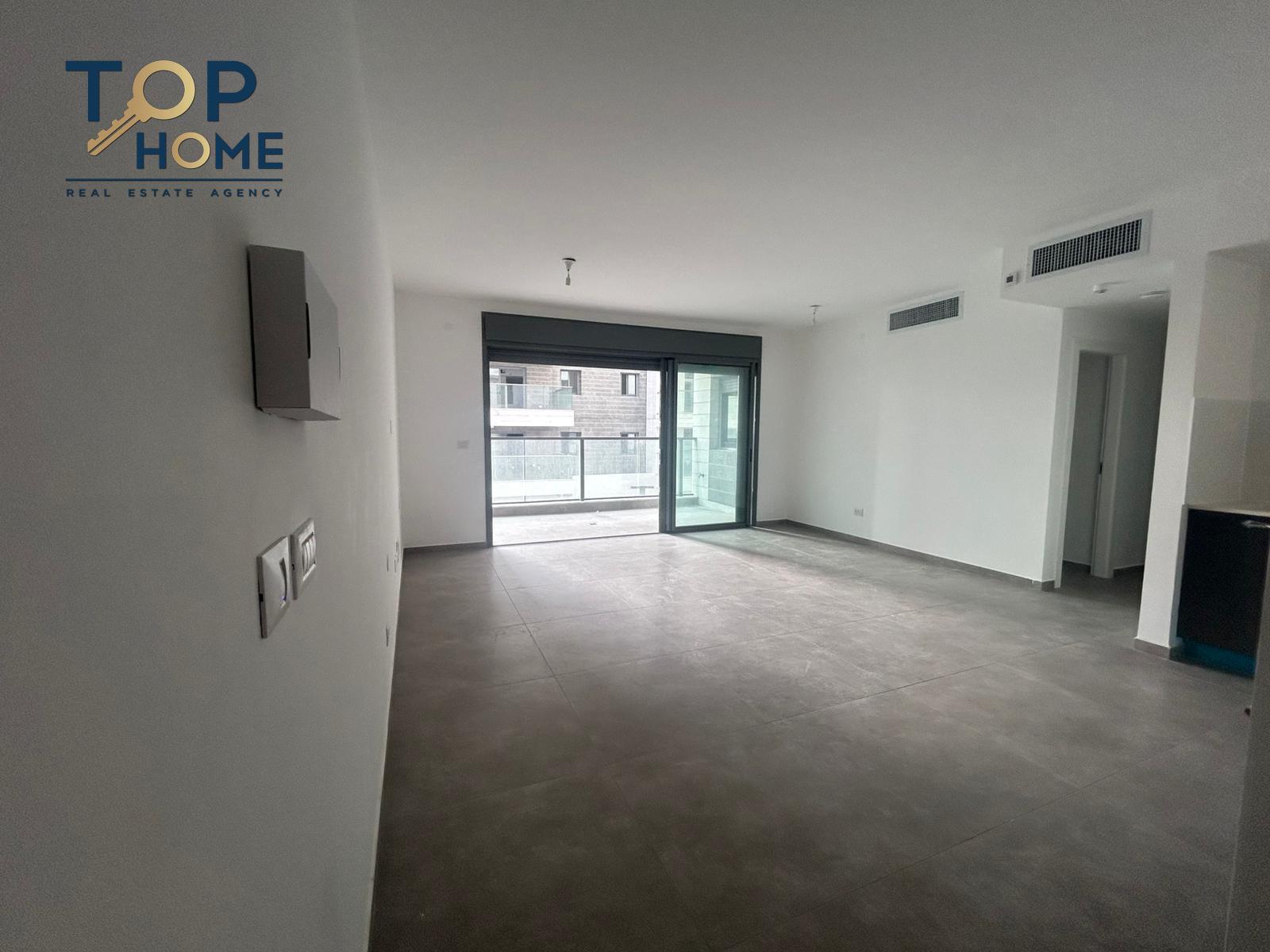
Entering into a purchase agreement with a developer involves a natural expectation of a swift and orderly handover into the new home. In the reality of the construction industry, however, many projects encounter scheduling delays extending past the target handover date stipulated in the contract of sale. For families and private buyers evaluating 5-room properties for sale in Netanya, a delivery delay triggers a chain of operational and financial disruptions: the necessity of securing temporary living arrangements, duplicate relocation costs, uncertainty regarding children’s enrollment in local neighborhood schools, and direct interference with broader family plans.
To ensure the purchaser does not bear the entire burden of construction delays alone, the Israeli legal system provides a defined, uncompromising statutory protection framework. Developing familiarity with these legal provisions, alongside conducting rigorous commercial negotiations when acquiring brand-new properties from a developer in Netanya, ensures the contract incorporates transparent defense mechanisms. These clauses must delineate strict handover dates, developer liabilities, and the exact compensation owed to the purchaser in the event of schedule slippage.
The Statutory Protective Umbrella: How the Sale Law Shields the Purchaser
Section 5A of the Israeli Sale Law (Apartments), 1973, serves as the primary line of legal defense for any purchaser contracting with a development company. This provision is cogent (mandatory), meaning it cannot be conditioned upon or negotiated away in the purchase contract except to the explicit benefit of the purchaser. Any contractual clause introduced by a developer attempting to waive, dilute, or restrict these statutory rights is deemed legally null and void.
The statute defines the schedule structure and compensation entitlements as follows:
-
The Permitted Grace Period: The developer is permitted to delay delivery by up to 60 calendar days without incurring compensation liabilities. However, if the property is not formally handed over by the 61st day—duly backed by an official occupancy certificate (Tofes 4) and fit for human habitation—the purchaser’s statutory compensation entitlement activates retroactively from day one following the original contractual delivery date.
-
Tiered Statutory Compensation Rates: For the first eight months of delay, the developer is statutorily mandated to pay compensation equivalent to 150% of the fair market rental value of an equivalent property. From the ninth month of delay onward, compensation is fixed at 125% of fair market rent.
-
Payment Schedule to the Purchaser: The law mandates that compensation payments must be disbursed on an ongoing monthly basis, rather than deferred as a future offset or balloon settlement at the time of final property handover.
The Exemption Trap: Deconstructing “Force Majeure” and Labor Strikes
The most frequent tactic employed by developers seeking to evade statutory compensation payments is issuing written delay notices citing Force Majeure. Under this umbrella term, developers often attempt to encompass supply chain disruptions, nationwide construction labor shortages, or bureaucratic delays involving municipal authorities and utility companies.
Israeli courts have consistently affirmed through binding precedents that the burden of proving Force Majeure rests entirely upon the developer:
-
Inherent Commercial Risk: Routine supply bottlenecks, material price increases, or delays caused by subcontractors are legally classified as standard commercial risks assumed by the developer, providing no statutory exemption from paying delay compensation to the purchaser.
-
Direct Causation Burden: The developer must substantiate that an extreme, unforeseen external event occurred which could not reasonably have been anticipated or mitigated, and prove that this specific event directly halted construction progress on the project.
-
Prohibition of Arbitrary Delay Extensions: A brief external operational delay spanning a few days does not legally justify an arbitrary multi-month extension of the key handover date.
Core Principles for Drafting Delivery Clauses in the Contract of Sale
When auditing a developer’s contract of sale, incorporating four core contractual safeguards is strongly recommended:
-
Establish a Predetermined Monthly Compensation Sum: Specify a clear, predefined monthly monetary compensation sum for each month of delay directly in the contract, eliminating future evidentiary disputes regarding fair market rental valuations or the need for third-party appraisers.
-
Strictly Restrict Force Majeure Definitions: Mandate that Force Majeure events be confined exclusively to formally declared national emergencies or catastrophic natural disasters, explicitly excluding routine licensing delays, regulatory holdups, or general industry strikes.
-
Secure an Explicit Right of Set-Off Against Balance Payments: Establish a clear contractual mechanism allowing the purchaser to set off any unpaid statutory compensation directly against the final balance payment owed to the developer upon receiving keys.
-
Mandate Timely, Substantiated Delay Notices: Obligate the developer to furnish written notification of any anticipated delivery delay at least 60 to 90 days prior to the original contractual delivery date, complete with verifiable documentation, as an absolute prerequisite for evaluating any schedule adjustment.
Comprehensive Contractual Protection with Anat Top Home
Acquiring a property within a new construction development demands a careful balance between high-end technical specifications and fortified contractual terms. Anat Top Home provides clients with focused advisory and strategic guidance when auditing contracts of sale, verifying that handover dates, statutory compensation mechanisms, and financial securities are structured securely to protect your rights, capital, and family peace of mind across all phases of construction.