Central Netanya has been undergoing one of Israel’s most compelling urban and economic transformations in recent years. While the southern coastline and new premium neighborhoods captured the bulk of market attention over the past decade, entrepreneurial and real estate focus is now returning decisively to the city’s historic core. The combination of established urban infrastructure, physical proximity to the beach, transit connectivity to major arterial highways, and a high concentration of aging residential buildings makes the city center a primary magnet for large-scale urban renewal (Pinui-Binui) projects.
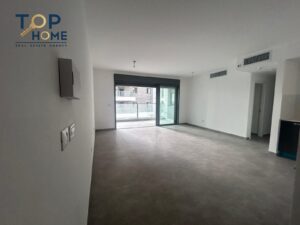
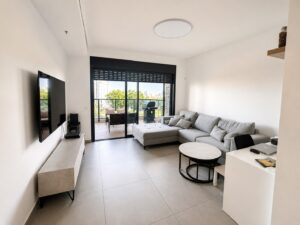
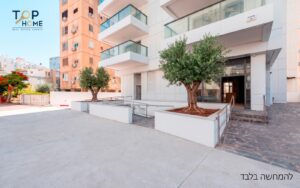
For forward-thinking investors, families seeking a central residential anchor, and veteran homeowners, 2026 and the lead-up to 2027 mark a decisive milestone: moving from preliminary planning and tenant agreements to the issuance of building permits, building evacuation, and breaking ground. The aggressive advancement of district master plans places this sector at the top of market demand for projects in Netanya, generating a wide array of high-quality living solutions—including sought-after 4-room properties for sale in Netanya across modern high-rises rising in the heart of the veteran center.
Municipal Policy: Transitioning from Spot Zoning to Comprehensive District Renewal
The monumental shift in central Netanya is no accident; it is the direct outcome of an orderly planning policy steered by the Netanya Municipality alongside the Governmental Urban Renewal Authority. In the past, the dominant approach relied on reinforcing or demolishing standalone buildings (TAMA 38), an initiative that frequently strained existing municipal infrastructure without providing adequate solutions for parking, preschools, or public green spaces.
Today, municipal policy focuses on detailed master plans for entire sectors (district Pinui-Binui). Under this model, an entire complex comprising multiple aging tenement blocks is demolished from the ground up. In their place, planners introduce advanced residential towers alongside boutique low-rises, expansive underground parking garages, open public green spaces, state-of-the-art educational facilities, and ground-floor commercial avenues. This integrative planning ensures incoming residents benefit from an all-inclusive, fully maintained living environment rather than merely an upgraded unit in an isolated building.
Mapping the Leading Complexes Slated for Building Permits Ahead of 2027
For those analyzing the urban renewal map of the city center, several key complexes stand out in advanced stages of maturity and are projected to reach critical operational milestones heading into 2027:
1. Sha’ar Ha’Ir Complex and the Raziel Axis
The gateway to the city center and Raziel Street constitutes one of Netanya’s most strategic urban entrances. Planning initiatives across this corridor advance the demolition of dated structures from the 1950s and 1960s, replacing them with modern mixed-use towers combining residential living, retail, and office spaces. Direct geographic proximity to the Coastal Highway (Route 2) and the central train station makes this area highly appealing to working professionals and young couples prioritizing maximum transit connectivity alongside urban centrality.
2. Binyamin, Sheshet HaYamim, and HaRav Kook Complexes
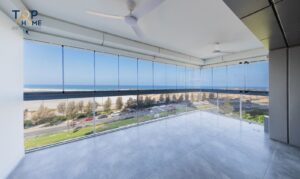
Situated in the lively, established core of the city center, these sectors are driving large-scale regeneration. The standout advantage of this district is its short walking distance to Independence Square, the beachfront promenade, and neighborhood shopping and leisure hubs. Master plans here blend high-rise towers with contextual low-rise architecture, catering directly to families purchasing 4-room properties for sale in Netanya that feature expansive sun balconies, rich technical specifications, and open views.
3. Sokolov Complex and the North-Central Sector
The northern sector of the city center, bordering veteran and quieter residential streets, is characterized by projects offering an intimate, community-centric residential experience. Architectural plans here place a heavy emphasis on developing internal green lungs, widening pedestrian sidewalks, and integrating dedicated bicycle lanes linked directly to the city’s broader promenade network.
Risk vs. Return Matrix: Investing in Urban Renewal Complexes
| Planning Stage |
Project Risk Level |
Estimated Timeline to Building Permit |
Capital Appreciation Potential |
| Initial Signature Collection |
High (Contingent on 67%–80% tenant consent) |
5 to 8+ years |
Maximum; low baseline acquisition price of veteran unit |
| Plan Deposit at Regional Committee |
Medium (Plan approved in principle) |
3 to 4 years |
High; project gains statutory standing |
| Final Master Plan Approval (TABA) |
Low (Building rights statutorily anchored) |
18 to 24 months |
Stable and solid; notable market price appreciation |
| Building Permit Application (Permit Conditions) |
Minimal (Developer working to clear fees/specs) |
Up to 12 months |
Final; preceding site breakdown and open-market sales |
Entering a project at an advanced milestone—such as master plan approval or the permit application phase—dramatically increases certainty, minimizes risk, and provides defined timelines. Auditing active developments in Netanya at these stages allows buyers to identify the optimal balance between attractive pricing and investment security.
Mandatory Legal Guarantees in Urban Renewal Transactions
For existing homeowners and new purchasers alike, executing an urban renewal contract requires a comprehensive legal safety net:
-
Autonomous Bank Guarantee under the Sale Law: A full bank guarantee covering the total market value of the new property, safeguarding the buyer’s capital in any scenario of developer financial insolvency.
-
Rental Fee Bank Guarantee: A commercial bank guarantee ensuring continuous, full payment of fair market rent throughout the entire construction period—from the evacuation of the original home until key handover of the completed property.
-
Taxation and Registration Guarantees: An explicit contractual commitment from the developer assuming full responsibility for all transaction taxes (Capital Gains Tax, Betterment Levies, and municipal development fees), backed by a legal guarantee to secure timely registration of the condominium deed and rights in the Land Registry (Tabu).
-
Independent Engineering Supervision: The appointment of an independent supervising engineer representing the owners, tasked with monitoring on-site construction stages, verifying workmanship quality, and ensuring strict adherence to contractual technical specifications.
Strategic Guidance with Anat Top Home in Urban Renewal
Identifying properties with genuine appreciation potential in central Netanya requires deep familiarity with municipal planning mechanisms, legal due diligence on titleholders, and rigorous financial vetting of active developers. Anat Top Home real estate in Netanya provides clients with strategic advisory services that merge comprehensive market experience with analytical planning insight.
Our professional team guides you in mapping out the most mature sectors in the city center, auditing legal contracts, and securing protected residential and investment opportunities. We ensure every real estate move is executed with a long-term perspective, total security, and complete transparency—paving the way to a modern, appreciating, and secure home for the years ahead.